
The term “sustainable fashion” describes apparel, accessories, and shoes that are created, manufactured, sold, and worn with consideration for the effects on the environment, society, and economy. It entails taking into account a garment’s entire lifecycle, including the source of the materials, how long you plan to wear it, and what happens when you throw it away. On the other hand, “fast fashion” produces inexpensive, trendy items that are frequently created using hazardous methods and subpar materials, which significantly increases waste, pollution, and unethical labor practice.
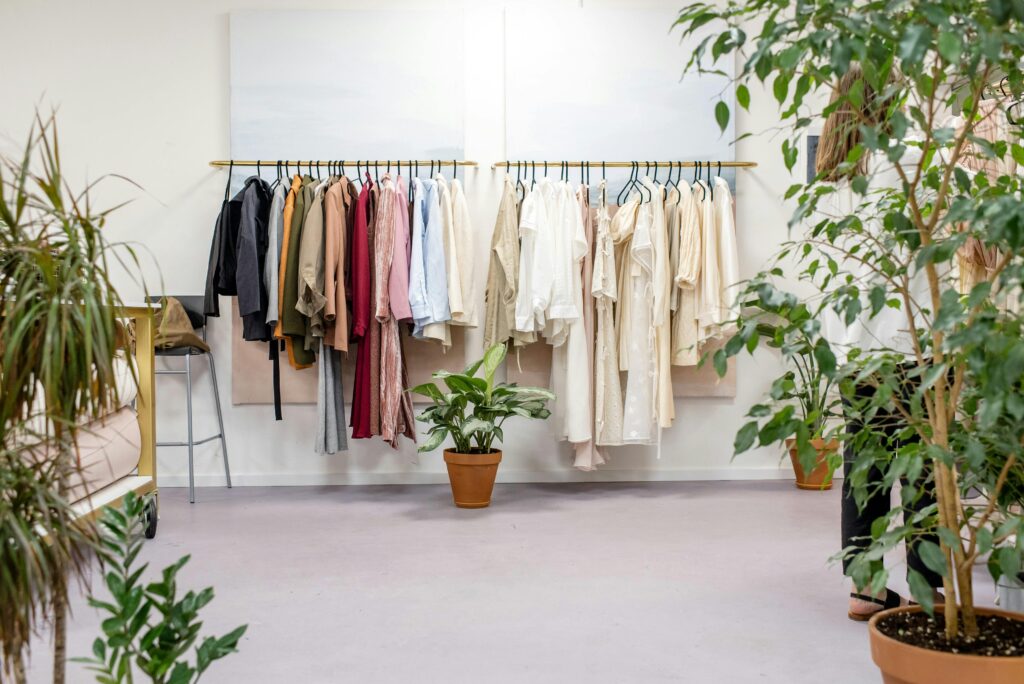
Key Components of Sustainable Fashion
1. Ethical Production
Fair treatment and livable wages for workers are guaranteed by sustainable fashion. Factories ought to offer secure workplaces and openness regarding their manufacturing procedures. Supporting companies that put ethics first benefits both people and the environment.
2. Sustainable Textiles
Innovative and natural textiles are crucial to sustainability. Compared to conventional cotton, materials such as hemp, linen, bamboo, TENCEL, and organic cotton use less water and fewer chemicals. Additionally, recycled fabrics made from used textiles or plastic waste keep waste out of landfills and lessen the need for virgin materials.
3. Sturdiness & Classic Style
A key component of sustainable fashion is purchasing fewer, better-quality items that endure for many years. Simple dresses, classic jeans, and white shirts are examples of timeless styles that never go out of style. The cycle of continuous shopping and disposal is lessened as a result.
4. Fashion That Is Circular
Circular fashion aims to prolong the life of clothing. Recycling, upcycling, repairing, reselling, and even renting can all help achieve this. Clothes are given a second life rather than ending up in landfills.
5. Mindful Buying Patterns
Sustainability affects us as consumers as well as brands. Little decisions like reducing purchases, washing clothing with care, fixing small damage, and encouraging secondhand or thrift stores can have a significant impact.
The Impact of Fast Fashion
Because it provides inexpensive clothing and rapid access to trends, fast fashion has taken over. However, the cost to humanity and the environment is enormous:

Environmental Damage: Fast fashion uses a lot of water and produces a lot of carbon emissions. Fabric dyeing damages ecosystems and contaminates rivers.
Waste: Every year, mountains of textile waste are produced because clothing is frequently worn only a few times before being thrown away.
Unethical Labor: A large number of fast-fashion items are made in hazardous factories with poorly compensated workers.
Pollution: When synthetic textiles like polyester are washed, they release microplastics that pollute the ocean.
By comprehending these issues, we can see why sustainable fashion is essential rather than merely a fad.
How to Practice Sustainable Fashion
You don’t need to change everything overnight. Here are simple, practical ways to bring sustainability into your fashion choices:
Shop Smarter
Purchase fewer things but make long-lasting, high-quality investments.
Look for eco-friendly materials on labels, such as recycled polyester or organic cotton.
Encourage companies that are open and honest about their ethics and supply chain.
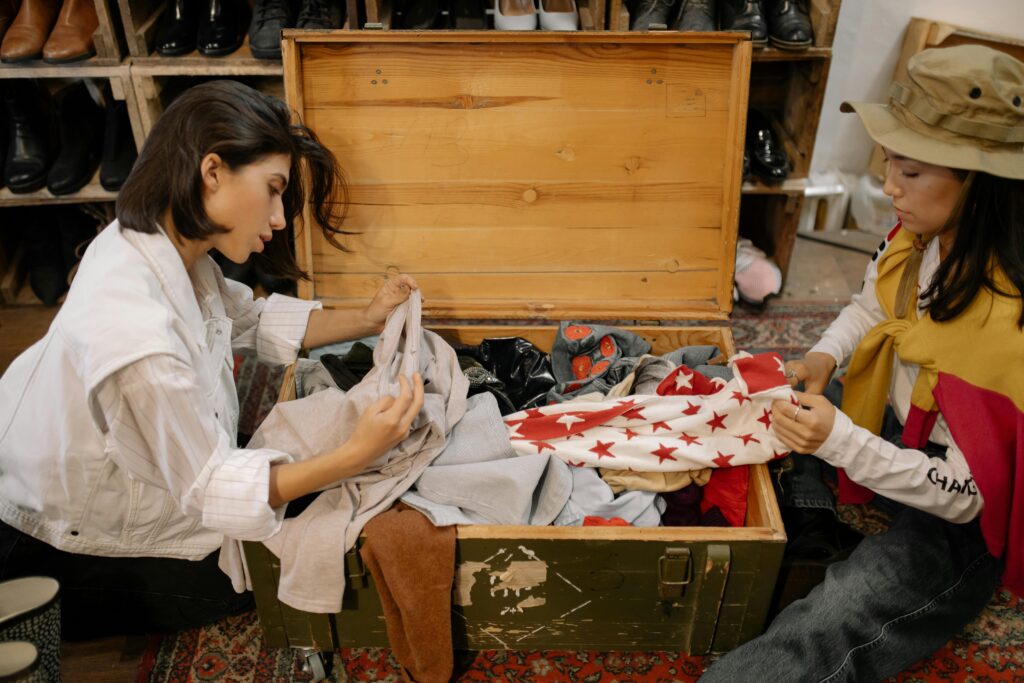
Embrace Thrift & Secondhand
Go to vintage stores, thrift stores, or online resale marketplaces.
Instead of purchasing new clothes, trade your old ones with loved ones.
With a little imagination, upcycle old clothing into something new.
Care for Your Clothes
Only wash clothes in cold water when absolutely required.
To save energy and lessen wear, air dry rather than use a dryer.
Instead of discarding clothing, repair or modify it to prolong its lifespan.
Select Timeless Items
Create a capsule wardrobe by assembling adaptable, mix-and-match pieces.
Choose fashions that will last for a long time.
Support Circular Fashion
Utilise platforms for donations or resale to recycle your clothing.
Instead of purchasing new clothes you won’t wear often, consider renting clothes for special occasions.
Sustainable Practice Examples
Sustainable fashion is already becoming widely accepted thanks to numerous companies and individuals:

- Zero-waste patterns are being used by designers to reduce the amount of fabric scraps.
- Plastic waste is being transformed into materials for sweaters and jackets thanks to innovations.
- Sustainability is becoming a prominent theme in fashion weeks and events.
If you’re curious about sustainable fashion tips, click on “Sustainable Style Guides” to explore more.
Small changes can make a big difference, even at home. For example, mending a torn seam, turning old jeans into shorts, or giving away unwanted clothing are all ways to live up to the sustainable fashion principle.
Sustainable Fashion in India
From traditional handlooms to natural dyeing techniques, India has long had a strong connection to sustainability. Sustainable fashion has grown in popularity among environmentally conscious consumers and young people in recent years, surpassing its status as a fad. Eco-friendly textiles, ethical production, and conscientious consumption are being adopted by Indian designers and regional craftspeople to produce fashionable clothing that also protects the environment and culture.
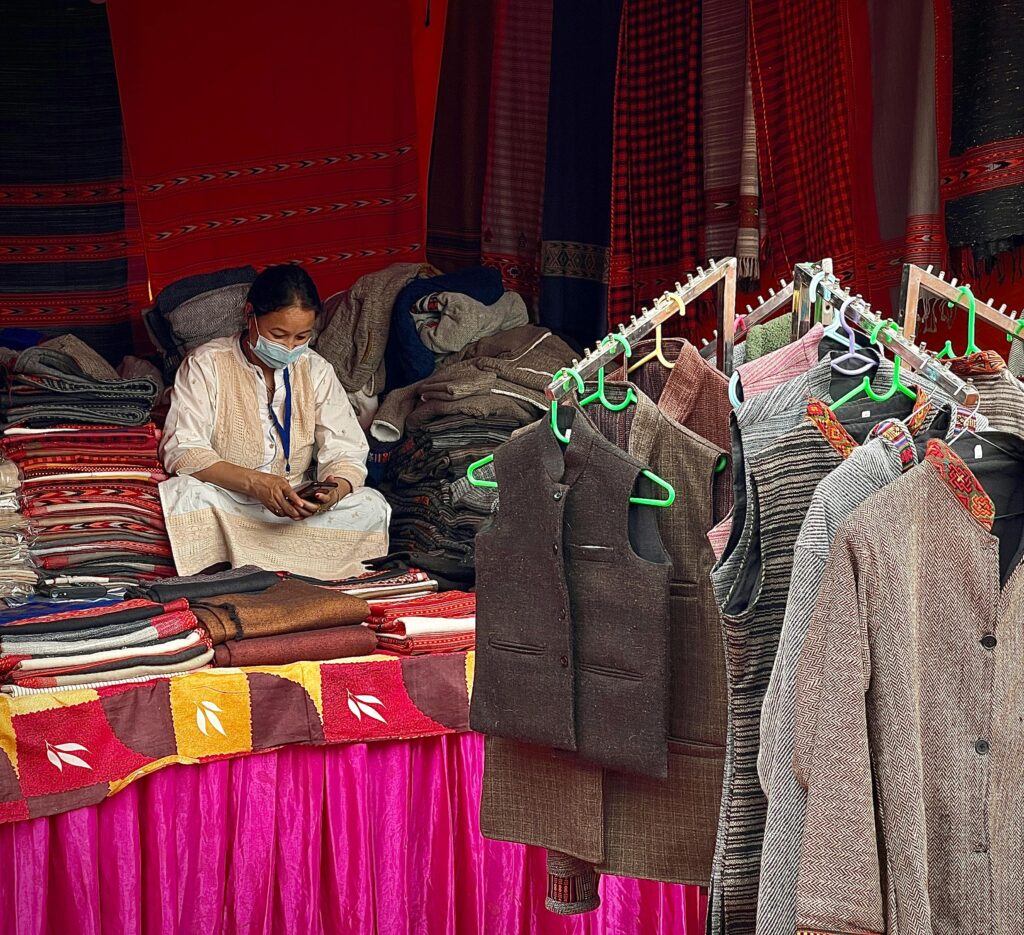
The following are some important factors influencing sustainable fashion in India:
- Handloom & Khadi Revival: Promoting indigenous crafts and supporting rural artisans.
- Eco-Friendly Fabrics: Use of organic cotton, bamboo, hemp, and natural dyes.
- Thrift & Pre-Loved Fashion: Rising acceptance of thrift stores and online resale platforms.
- Slow Fashion Movement: Encouraging quality over quantity and mindful shopping.
- Youth Awareness: Increasing demand for affordable yet sustainable fashion options.
In India, sustainable fashion encompasses more than just apparel; it’s about conserving cultural traditions, cutting waste, and creating a more environmentally friendly future. Indian consumers can significantly contribute to the redefining of style with purpose by selecting ethical, eco-friendly, and locally produced fashion.
Challenges & Misconceptions
Eco-friendly apparel tends to look more costly. However, the cost per wear is frequently less expensive than purchasing several fast-fashion items because it lasts longer.
Greenwashing
Some companies claim to be “eco-friendly” without providing any concrete evidence. Instead of marketing claims, consumers should seek out authentic certifications and transparency.
Accessibility
Sustainable brands are not available to everyone. However, sustainability is not just about purchasing eco-brands; it’s also about consuming less, reusing what you have, and thrifting.
Style Issues
People sometimes assume sustainable fashion means boring designs. In reality, sustainable fashion can be just as trendy, colorful, and chic while being mindful of the planet.
Conclusion: Fashion with a Purpose
Making better decisions for the environment and your wardrobe is the goal of sustainable fashion. Whether you’re repairing what you already have, buying secondhand, or selecting organic fabrics, every step matters. Progress is more important than perfection.
By choosing sustainable fashion, you’re influencing a better future in addition to developing your own sense of style. At the same time, fashion can be economical, fashionable, and socially conscious.
Start small by investing in classic pieces, buying only what you need, and taking good care of your clothing. These practices will eventually save costs, cut down on waste, and create a wardrobe you’ll genuinely love.

Your wardrobe tells a story, make sure it’s one that reflects care, creativity, and responsibility.